



Are waterproof laminate floors good for bathrooms? Pros, Cons & Tips and How to Install
You may ask if waterproof laminate floors are good for bathrooms. The answer is yes. They can be a smart choice. In the last ten years, makers have made tighter seams. They also made stronger locking systems. They use special surface treatments to keep water out. These changes help your floor handle spills and daily moisture. But every bathroom is different. Always think about how much water and steam your bathroom gets before you decide.
Key Takeaways
Waterproof laminate floors are a good pick for bathrooms. They resist water and last a long time.
Find floors with sealed joints, a strong core, and a tight locking system. These features help keep water out.
It is important to install and care for the floor correctly. Always seal the edges and keep the bathroom air moving. This stops water damage.
Pick the right thickness and AC rating for your bathroom. AC4 works for most bathrooms. AC5 is stronger and lasts longer.
Clean the floor often and wipe up spills fast. This helps your waterproof laminate floor stay nice for many years.
What Are Waterproof Laminate Floors?
Waterproof laminate flooring lets you decorate your bathroom in new ways. It looks like wood or stone. You do not have to worry about water ruining it. This flooring uses special materials. It is built to keep water out.
Waterproof Laminate vs. Regular Laminate
You may wonder how waterproof laminate is not the same as regular laminate. Here is a simple comparison:
Feature | Waterproof Laminate | Regular Laminate |
|---|---|---|
Core Layer | Treated HDF, WPC, or SPC | Standard HDF |
Water Resistance | High, designed to resist moisture | Low, susceptible to water damage |
Joint Sealing | Sealed joints and wax-coated edges | Vulnerable seams without sealing |
Suitable Areas | Kitchens, bathrooms, basements | Not recommended for moisture-prone areas |
Durability | Enhanced durability against moisture | Prone to swelling and warping |
Waterproof laminate flooring can handle splashes and steam. Regular laminate can swell or bend if water gets inside. You should use waterproof laminate in bathrooms, kitchens, or basements.
Key Features of Waterproof Laminate
When you shop for waterproof laminate flooring, look for these features:
Wear layer that stops scratches and stains.
Design layer that looks like wood or stone.
Dense core layer made from high-density fiberboard (HDF) for strength and water safety.
Backing layer that keeps the floor steady.
Watertight locking system that blocks water between planks.
Surface sealing, like TriSeal, for extra waterproofing.
Deliya laminate flooring gives you even more. It has EIR technology for a wood-like feel and slip resistance. AC4 or AC5 ratings mean it works well in busy bathrooms. Deliya also offers low-formaldehyde choices for cleaner air. You can choose from many styles, colors, and patterns for your bathroom.
Tip: Always check if the flooring is really waterproof. Do not confuse it with water-resistant laminate. Waterproof means it can handle water all the time. Water-resistant laminate only protects for a short time.
With waterproof laminate, you can have a stylish, strong, and safe bathroom floor.
Are Waterproof Laminate Floors Good for Bathrooms?
Main Verdict
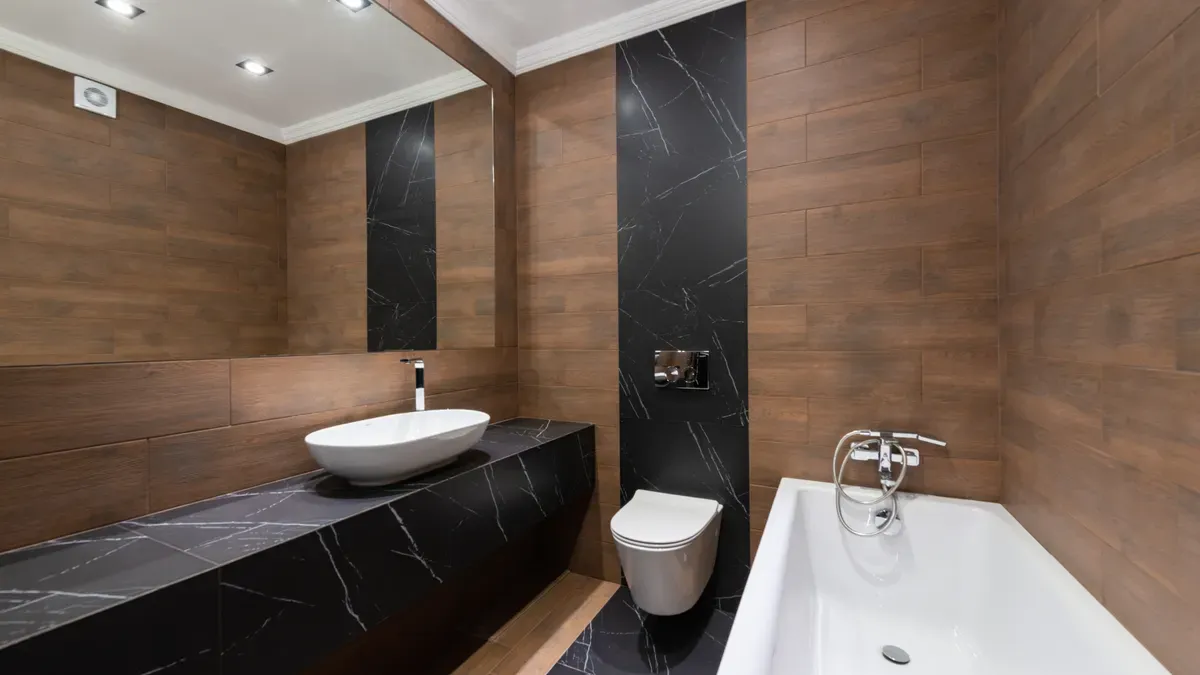
You may ask if waterproof laminate floors work in bathrooms. The answer is yes, but you must install them right. You also need to keep your bathroom aired out. These floors use new technology. They have a special top layer that blocks water. The edges are sealed with wax. This stops water from getting inside the planks.
Many experts think waterproof laminate is a good pick for bathrooms. These floors do not let mold or mildew grow. This helps your bathroom stay clean. The strong core keeps the floor flat and steady. You can put it over old tiles or concrete. You get comfort and feel safe.
Brands like Deliya make great waterproof laminate. They use good materials and smart designs. These floors can handle daily use and still look nice for years.
Here are some quick facts about waterproof laminate in bathrooms:
About 39% of kitchen and bathroom projects use waterproof laminate floors now.
These floors fix problems old floors had, like swelling or warping from water.
Tip: Always turn on a fan or open a window after showers. This helps your waterproof laminate last longer.
Where Waterproof Laminate Works Best
Waterproof laminate does not fit every bathroom the same way. Some bathrooms get more water and steam than others. Let’s see where these floors work best:
Bathroom Type | Performance of Waterproof Laminate | Key Features |
|---|---|---|
Master Bathrooms | Lots of steam from showers and many people walking around. | Needs strong waterproof flooring; AC5-rated laminate gives warmth and moisture safety. |
Family Bathrooms | Many people use it and there is lots of water. | AC5-rated laminate is tough and easy to clean for busy rooms. |
Powder Rooms | Not much water, so you can pick more styles. | Waterproof laminate is great for small splashes and gives style and enough moisture safety. |
You get the best results in powder rooms and guest baths. These rooms do not have as much steam or water on the floor. Waterproof laminate also works in master bathrooms. Just use a strong fan and seal the edges well.
If your bathroom is always damp or has bad airflow, check before you install waterproof laminate. Good air movement keeps the floor dry and safe.
Note: Waterproof laminate is not for places with water sitting all the time. Always wipe up spills fast and check the edges for gaps.
You can have the look of wood or stone in your bathroom without worry. With the right care, waterproof laminate floors give you style, comfort, and safety.
Pros of Waterproof Laminate in Bathrooms
Water Resistance and Durability
Bathrooms need floors that can handle water and daily use. Waterproof laminate keeps your floor safe from splashes and steam. The special core and sealed edges stop water from getting inside. You do not have to worry about warping or swelling like regular laminate.
The best thing about waterproof laminate is its strength. Waterproof/water-resistant laminate flooring works well in places with lots of moisture, like bathrooms and kitchens.
You can put this flooring where water is a problem. Brands like Deliya use new technology to make floors strong. Your floor will last for years, even in busy bathrooms.
AC Rating | Durability | Suitable For | Recommendation |
|---|---|---|---|
AC4 | Light commercial | High-traffic residential, entryways | Best value for high-traffic residential |
AC5 | Heavy commercial | Retail, hospitality, very heavy traffic | Residential overkill unless very high traffic |
If you choose AC4 or AC5, your floor gets extra strength. It will resist scratches and handle lots of footsteps and dropped items.
Style and Comfort
You do not have to lose style for a waterproof floor. Waterproof laminate flooring looks like real wood or stone. EIR technology gives the floor a real texture and slip resistance. Your bathroom will look great and feel safe.
Waterproof laminate floors make your bathroom feel warm and cozy. They are softer and warmer than tile. If you add foam underlayment, your floor will be more comfortable and quieter. You can pick from many colors and patterns to match your style.
Moisture-prone rooms work well with waterproof laminate. Shaw’s H2O Plus, Mohawk’s RevWood, and Pergo’s WetProtect have sealed edges and waterproof cores. They handle kitchen spills, bathroom humidity, and basement moisture without warping or swelling.
Eco-Friendly Options
You care about your health and the planet. Many brands, like Deliya, offer low-formaldehyde and low-VOC floors. These floors meet strict rules for indoor air quality.
CARB Phase 2 compliance: This certification sets strict limits on formaldehyde emissions from composite wood products, including laminate flooring.
You can have a beautiful, strong bathroom floor and know it is safe for your family.
Cons of Waterproof Laminate in Bathrooms
Edge and Sealing Challenges
You need to pay close attention to the edges when you install laminate in your bathroom. Even though waterproof laminate flooring has sealed joints and waxed edges, water can still sneak in if you miss a spot or the seal breaks down over time. Silicone grout helps protect the inner joints, but it might not be enough at the edges. If water gets under the laminate, it can cause swelling or even mold.
Here’s a quick look at how edge failures compare:
Flooring Type | Failure Mechanism | Common Areas of Failure |
|---|---|---|
Laminate | Swells at seams due to water absorption | Kitchens, Bathrooms, Basements |
Vinyl | Remains stable, does not swell | Less prone to failure in moisture-prone areas |
You should always clean up standing water right away. If you let water sit, it can seep between the seams and cause problems that are hard to fix.
Not Fully Submersible
Waterproof laminate can handle splashes and steam, but it’s not made for floods or standing water. The locking system keeps out most spills, but if water sits too long, it can find its way through the seams. Unlike LVT or SPC, which are totally waterproof and don’t absorb water, laminate flooring can get damaged if it stays wet for a long time.
Laminate works well for everyday moisture but not for big leaks or flooding.
LVT and SPC stay strong even if soaked, making them better for places with lots of water.
If your bathroom often has puddles or leaks, you might want to think about other options.
Maintenance and Repair Issues
Taking care of laminate flooring in a bathroom means you need to stay on top of cleaning and watch for signs of damage. Even small spills can cause trouble if you don’t wipe them up fast. Water can get into the joints and make the planks swell or buckle. Sometimes, you can fix minor swelling, but if the damage is bad, you’ll need to replace the boards.
Here are some common problems you might face:
Swelling, buckling, or lifting edges from moisture.
Water left on the surface can seep into seams.
Severe swelling means you have to replace the damaged planks.
High humidity can make the floor warp if you don’t have good ventilation.
You need to check your bathroom’s airflow and keep the floor dry to help your laminate last longer. If you want a low-maintenance floor, remember that laminate flooring needs a little extra care in wet spaces.
Choosing Waterproof Laminate
What to Look For
When you pick laminate for your bathroom, you want it to last and look good. Start by checking the thickness. Thicker planks feel solid under your feet and help block sound. Most people choose 10 to 12mm for bathrooms. This thickness gives you a sturdy floor that handles daily use.
Next, look at the AC rating. This rating tells you how tough the laminate is. For most bathrooms, AC4 works well. It stands up to regular traffic and moisture. If you have a big family or a busy bathroom, you might want AC5. This rating means your floor can handle even more use and will last longer.
Here’s a quick list to help you remember:
Choose 10-12mm thickness for better comfort and stability.
Pick AC4 for most bathrooms. Go for AC5 if you need extra strength.
Check for waterproof certifications. Look for labels that say the laminate is made for wet areas.
Make sure the locking system is tight and the edges are sealed.
Tip: Deliya offers laminate with AC4 and AC5 ratings, so you can find the right fit for your bathroom.
Best Styles for Bathrooms
You can match your bathroom style with many laminate options. Light colors like ash or white oak make small bathrooms feel bigger. Darker shades, such as walnut or chestnut, give a cozy, spa-like look. If you want something modern, try gray tones or a matte finish.
Think about how you lay the planks. Long planks along the longest wall make the room look longer. Herringbone or chevron patterns add a fancy touch. Some people mix plank widths for a rustic feel.
Here’s a table to help you choose:
Style | Best For | Look/Feel |
|---|---|---|
Light Oak | Small bathrooms | Bright and open |
Dark Walnut | Large bathrooms | Warm and relaxing |
Gray/Matte | Modern designs | Sleek and trendy |
Herringbone | Luxury bathrooms | Elegant and classic |
Deliya has many styles, colors, and patterns. You can find laminate that matches any bathroom design you like.
Installing Waterproof Laminate
Preparation Steps
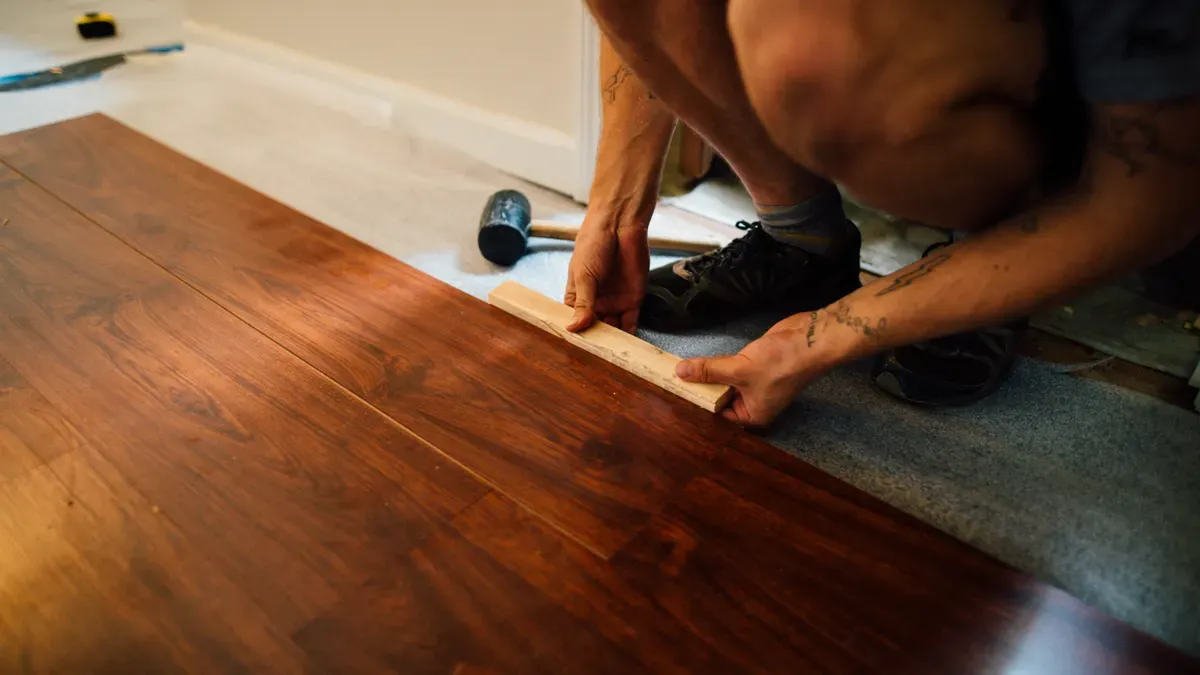
You want your new bathroom floor to last. Start with these steps before you lay any planks:
Let the laminate sit in your bathroom for 48 hours. This helps it adjust to the room’s temperature and humidity.
Check the subfloor. It should be flat, clean, and dry. Sweep away dust and fix any bumps or cracks.
Lay down a moisture barrier underlayment. This keeps water from reaching the floor from below.
Leave a small gap (about 1/4 inch) around the edges for the floor to expand and contract.
Plan your cuts around toilets, sinks, and tubs. Measure twice so you only cut once.
Tip: Use smaller bathrooms for your first project. You’ll have less exposure to water and fewer tricky cuts.
Installation Process
Now you’re ready to install the planks. Here’s how you do it:
Start at the doorway. This gives you easy access and a straight line to follow.
Click the planks together, making sure each seam is tight.
Use a tapping block and a dead blow hammer to fit the planks snugly.
Cut planks to fit around fixtures using a jigsaw or linoleum knife.
Keep checking that your expansion gaps stay open along the walls.
A quality underlayment with a built-in vapor barrier helps block moisture. Always test the subfloor for dryness before you begin.
Essential Tools Table
Tool | Use |
|---|---|
Jigsaw | Cutting planks around fixtures |
Linoleum Knife | Trimming and detail work |
Dead Blow Hammer | Tapping planks into place |
Plank Puller | Fitting planks in tight spots |
Tapping Block | Protecting plank edges |
Sealing and Finishing
You want your bathroom floor to stay dry and look great. Focus on the edges:
Insert a foam backing rod into the expansion gap around the room.
Seal the gap with waterproof silicone caulk. This keeps water from sneaking under the floor.
Cover the edges with vinyl baseboards or quarter-round molding.
Seal the joint between the molding and the floor with more silicone caulk for a watertight finish.
Note: Always check your seals every year. If you see cracks or gaps, add more caulk to keep your floor safe.
If you follow these steps, your laminate bathroom floor will look beautiful and handle daily splashes with ease.
Maintaining Waterproof Laminate
Cleaning Tips
Keeping your bathroom floor clean does not have to be hard. You want your laminate to look great and last a long time. Here are some easy ways to care for it:
Sweep or vacuum every week to pick up dust and hair.
Use a damp mop with a cleaner made for laminate. Do not soak the floor.
For small messes, grab a microfiber cloth and a pH-neutral cleaner.
Wipe up any water spills right away. This keeps the floor from getting damaged.
Skip the steam mop and harsh chemicals. These can hurt the surface.
Place absorbent mats near the sink and tub to catch drips.
Run the bathroom fan during and after showers to keep the air dry.
Deliya’s easy-clean surface makes your job even simpler. You can wipe away dirt and water without much effort.
Preventing Water Damage
You want your bathroom floor to stay strong and beautiful. Water is the biggest threat to laminate, so a few smart habits go a long way:
Make sure the floor was installed by a pro. Tight seams keep water out.
Always use a damp mop, not a wet one, for cleaning.
Apply 100% silicone sealant around the edges. This blocks water from sneaking underneath.
Check the sealant every year. If you see cracks or water stops beading, add more.
Use rugs that let air flow. Avoid rubber-backed mats that trap moisture.
Keep the bathroom well-ventilated. Open a window or use the exhaust fan after every shower.
Tip: Reapply the silicone sealant every 1–2 years. This keeps your floor safe from leaks and splashes.
With these steps, your laminate bathroom floor will stay fresh, dry, and ready for daily life.
You can trust modern waterproof laminate in your bathroom if you want style and strength. Here’s what you need to remember:
New waterproof laminate has water-repellent cores and tight joints, so it works well in bathrooms.
It gives you a budget-friendly way to get the look of wood without worrying about swelling.
Choose other flooring if your bathroom has lots of standing water.
Keep your floor clean, dry, and well-ventilated for the best results.
With the right care, your bathroom floor will stay beautiful for years.
FAQ
Can you install waterproof laminate in small bathrooms?
Yes, you can. Waterproof laminate works well in small bathrooms. It handles splashes and steam. Just make sure you seal the edges and keep the room well-ventilated.
How long does waterproof laminate last in a bathroom?
With good care, waterproof laminate can last 10 to 20 years in a bathroom. Clean up spills quickly and check the seals every year to help your floor last longer.
Is waterproof laminate safe for homes with kids or pets?
Absolutely! Waterproof laminate resists scratches and stains. It is easy to clean. Kids and pets can play without you worrying about damage or messes.
Can I use waterproof laminate in kitchens too?
Yes, you can use waterproof laminate in kitchens. It stands up to spills and busy foot traffic. You get a stylish look and easy cleaning in both bathrooms and kitchens.
What should I do if water gets under the laminate?
If water gets under the floor, dry it out as soon as possible. Remove the affected planks and let everything dry. Replace any damaged boards to keep your floor looking great.
Please Contact Us!
Recommended Products

2055 Waterproof tile effect laminate flooring for bathrooms
1952 Big beige tile effect laminate flooring for bathroom
2066 Best laminate tiles for bathroom floor non slip
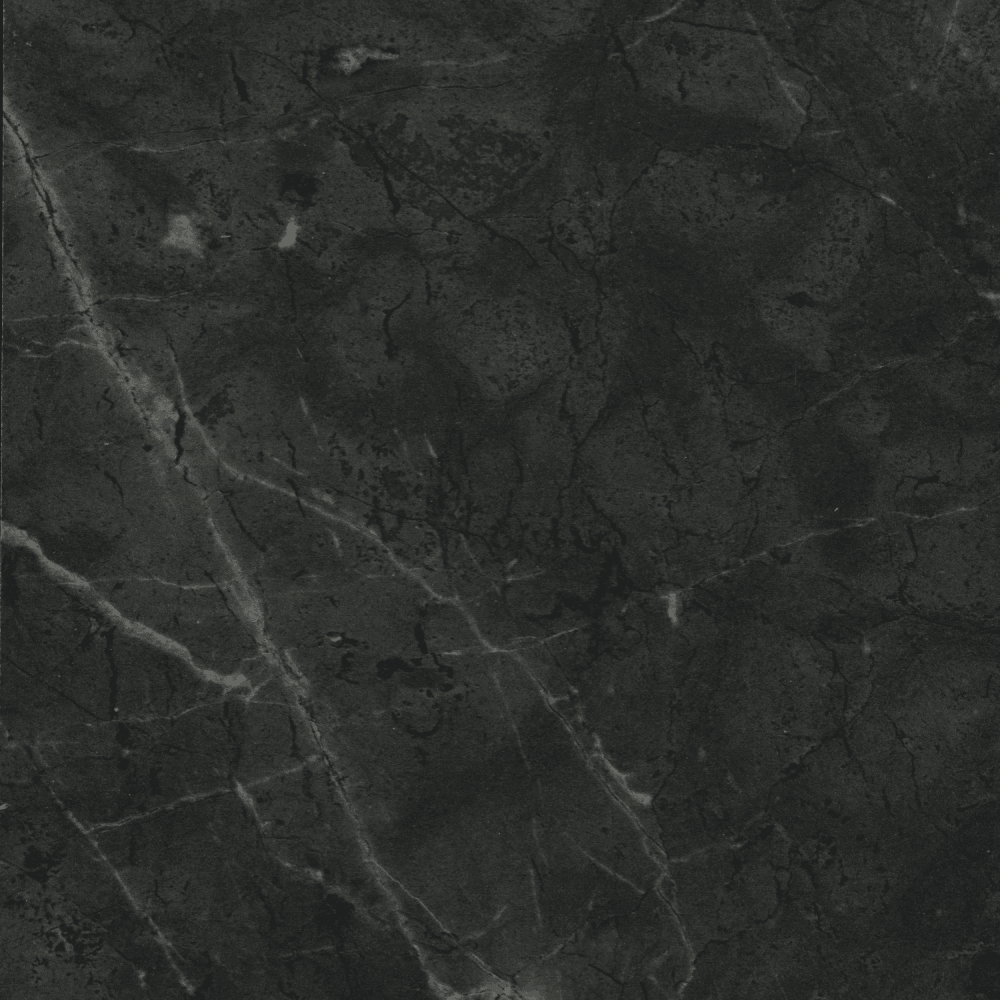
2005 Waterproof tile effect laminate flooring for bathrooms
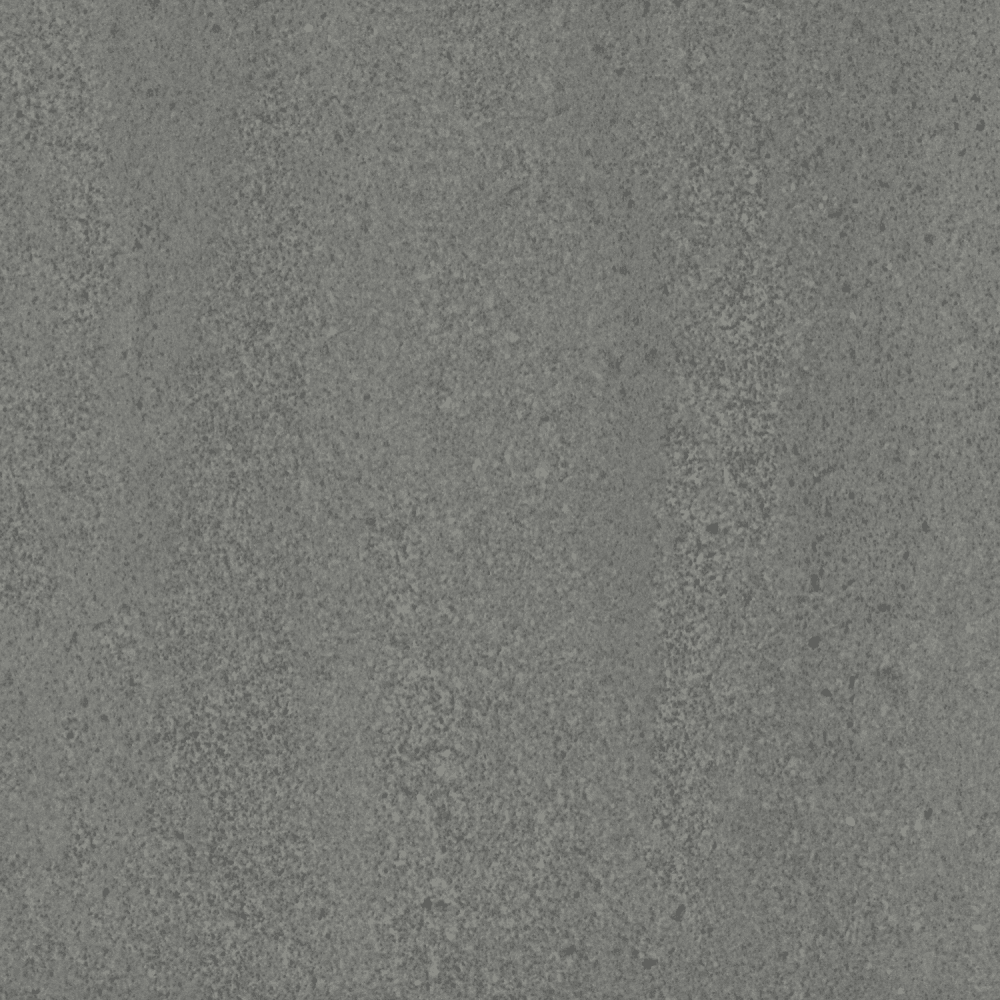
1975 Non slip bathroom tile patterned laminate flooring
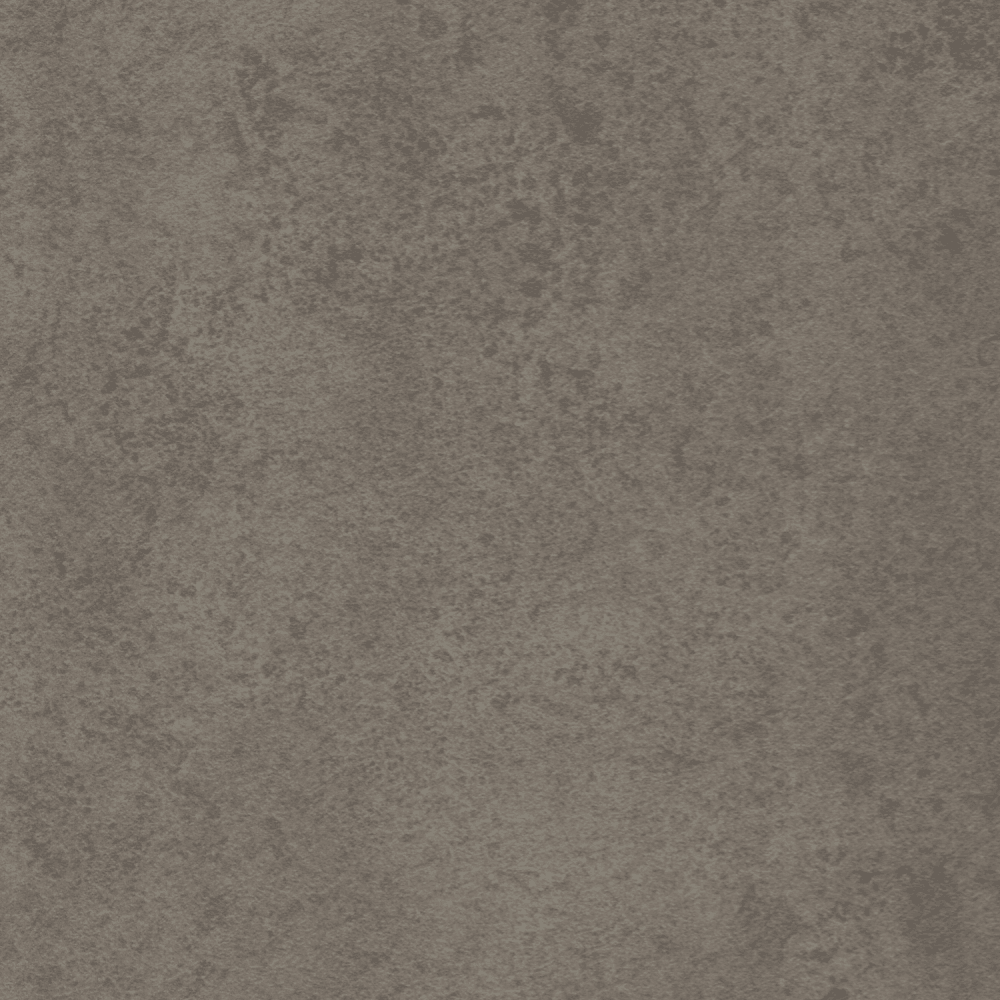
1941 Bathroom floor tile look laminate flooring waterproof
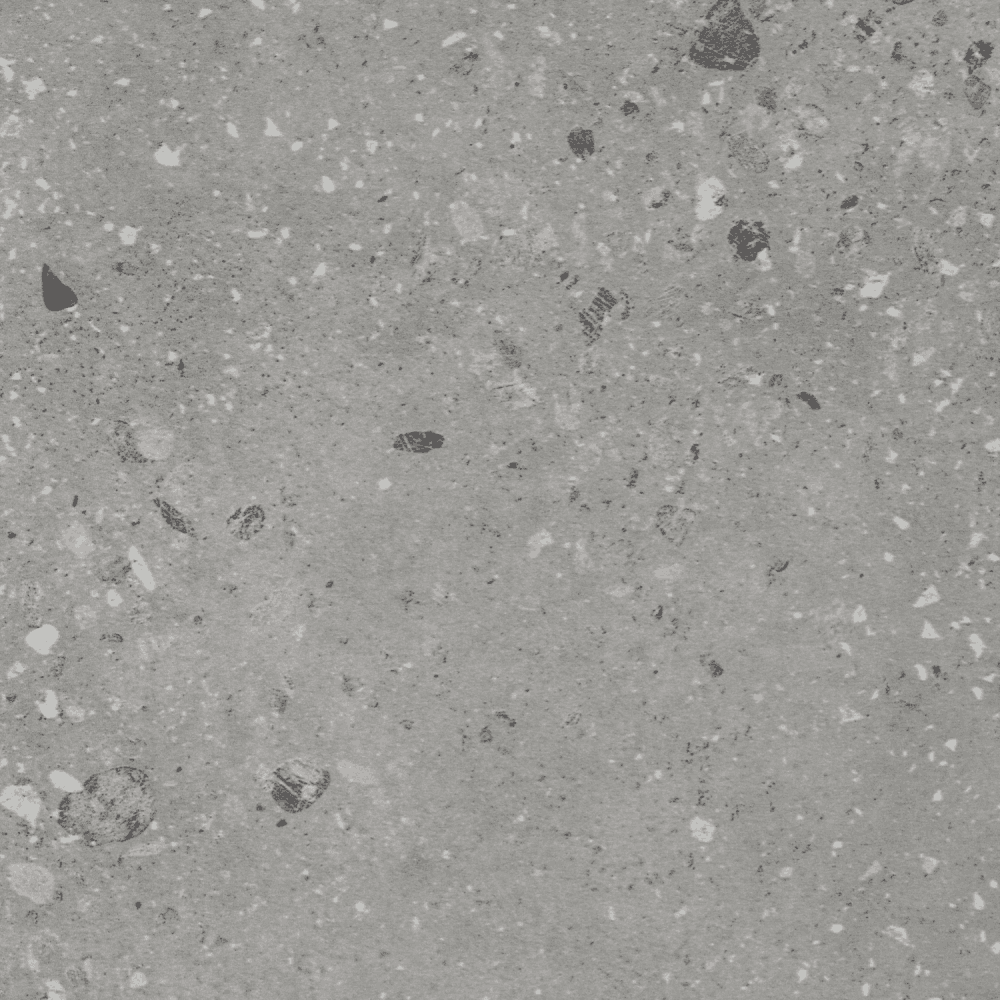
2052-2 Non-slip bathroom laminate flooring tile effect
Recent News
1.HDF vs MDF: Why Density Matters for Flooring?
2026-02-252.What is the Difference Between AC3 and AC5 Laminate Flooring?
2026-05-203.Choose the Best Waterproof Flooring for Kitchen That Lasts: The Ultimate 2024 Guide
2026-05-204.Top 10 Waterproof Laminate Flooring Factories in 2026
2026-06-085.The best color laminate flooring for a small house
2026-06-26