



Choose the Best Waterproof Flooring for Kitchen That Lasts: The Ultimate 2024 Guide
The kitchen is the heart of the home—a place of culinary creativity, family gatherings, and, inevitably, spills. From dropped wine glasses and overflowing sinks to the constant steam from cooking, your kitchen floor endures more punishment than any other surface in your house. For decades, homeowners faced a compromise: choose beautiful wood and risk water damage, or choose durable tile and sacrifice warmth.
Today, that compromise is over. If you are looking to choose the best waterproof flooring for kitchen spaces that lasts for decades, not years, this guide is for you. We will dive deep into the technology that separates temporary fixes from permanent solutions, focusing on why modern waterproof laminate and SPC flooring are revolutionizing kitchen design.
Why Traditional Flooring Fails in the Kitchen
Before choosing your new floor, it’s crucial to understand why traditional options often fail.
Solid Hardwood: Wood is a natural product that reacts to moisture. Even with a protective finish, standing water can seep between planks, causing cupping, warping, and black mold growth under the floorboards.
Standard Laminate: Traditional laminate has a fiberboard core. While great at resisting surface scratches, if water penetrates the seams (a common occurrence in kitchens), the core swells irreversibly.
Ceramic Tile: While waterproof, grout lines are porous and can stain. More importantly, tile is cold, hard on joints, and anything dropped on it is likely to break.
To truly find a floor that lasts, you need a material that combines waterproof integrity with structural density.
The Gold Standard: Waterproof Aqua Floor/IWF(MFB) FLOORing
When experts talk about the best waterproof flooring for kitchens, they are increasingly talking about Waterproof Aqua Floor/IWF(MFB) FLOORing. Unlike standard laminate, these floors feature a specialized high-density core designed specifically to repel water.
1. The Core Technology: Density Matters
The secret to a lasting kitchen floor lies beneath the surface. At DELIYA, we engineer our Waterproof Aqua Series with a Private HDF (High-Density Fiberboard) Core.
Why is density so important? Many budget flooring brands use cores with a density of around 720 kg/m³. This lower density leaves microscopic air pockets where water can hide. DELIYA floors maintain a strict density of >880 kg/m³. This ultra-high density creates a non-porous barrier that prevents water absorption even after prolonged exposure.
2. The Diamond Wear Layer
Kitchens are high-traffic zones. You need a surface that resists scratches from pet claws, chair legs, and dropped utensils. Look for a Diamond-grade Aluminum Oxide (Al₂O₃) wear layer. This isn't just a coating; it's a layer of minerals integrated into the surface. For kitchens, an AC4 or AC5 rating is recommended to ensure the floor looks new for 15–20 years.
Comparing Your Options: Which Floor is Right for You?
To help you choose the best waterproof flooring for your kitchen, let’s compare the top contenders available today.
Feature | Waterproof Aqua Laminate | SPC Rigid Core Flooring | Traditional Ceramic Tile |
|---|---|---|---|
100% Waterproof | Yes (Core & Seams) | Yes (Completely Impervious) | Yes (But Grout is not) |
Comfort Underfoot | Warm & Quiet | Firm but Resilient | Cold & Hard |
Installation | DIY-Friendly (Click Lock) | DIY-Friendly (Click Lock) | Professional Required |
Durability | High (AC4/AC5 Rated) | Extreme (Stone Composite) | High (but cracks if heavy items drop) |
Aesthetics | Realistic HD Wood Grain | Realistic HD Wood/Stone | Authentic Stone/Tile |
Option A: Waterproof Aqua Floor/IWF(MFB) FLOORing (The Best All-Rounder)
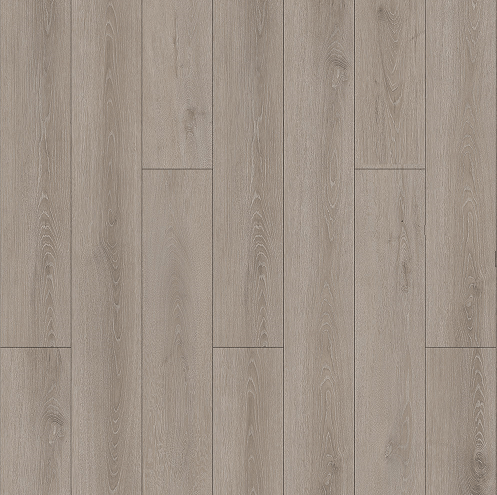
If you want the authentic look and feel of real hardwood without the maintenance, this is the best choice. It uses high-definition printing and embossing to replicate textures like European Oak or Creamy White Ash.
Best for: Homeowners who want a warm, quiet kitchen that looks like real wood.
Option B: SPC (Stone Plastic Composite) Flooring (The Indestructible Choice)
SPC flooring features a core made of limestone and stabilizers. It is 100% waterproof and virtually indestructible. It won’t expand or contract with temperature changes, making it ideal for kitchens that lead to sunrooms or garages.
Best for: Busy families with kids and pets, or commercial kitchen spaces.
Key Features to Ensure Your Floor "Lasts"
Choosing a floor that lasts isn't just about the material; it's about the construction details.
1. Edge Sealing and Locking Systems
The weakest point of any floating floor is the joint. To ensure longevity, look for floors with a Unilin Click System. This patented locking mechanism creates a tight, gap-free seal. Additionally, premium waterproof floors feature wax-coated edges that act as a secondary defense against spills seeping into the joints.
2. Humidity Balance Backing
A lasting floor must resist moisture from below. Concrete subfloors are notorious for emitting moisture. A quality kitchen floor should have a Humidity Balance Backer. This treated bottom layer acts as a moisture barrier, preventing dampness from the ground from affecting the planks and preventing the floor from warping over time.
3. Colorfast Technology
Kitchens often have large windows. Over time, UV rays can bleach inferior floors. Ensure your chosen flooring uses UV-resistant decorative paper. High-quality floors undergo treatment that reaches a Blue Wool Scale 6 rating, meaning they will not fade even after years of direct sunlight exposure.
Installation Tips for a Long-Lasting Kitchen Floor
Even the best materials can fail if installed incorrectly. Follow these tips:
Acclimate the Planks: Leave the flooring in the room for 48 hours before installation to adjust to the temperature and humidity.
Use Underlayment: While some floors have pre-attached pads, adding a high-quality IXPE foam underlayment provides extra sound insulation and moisture protection.
Leave Expansion Gaps: Kitchens have fixed cabinets. Always leave a 1/4-inch gap between the flooring and the cabinetry to allow for natural expansion and contraction.
Maintenance: Keeping It Looking New
One of the main reasons people choose modern waterproof flooring is the ease of maintenance.
Daily Cleaning: Sweep or vacuum with a hard floor attachment.
Spill Management: Simply wipe up spills immediately with a damp cloth. There is no need to panic if water sits on the floor overnight; the core will not swell.
Deep Cleaning: Use a pH-neutral cleaner. Avoid abrasive scrubbers or steam mops, which can damage the wear layer over time.
When you choose the best waterproof flooring for your kitchen, you aren't just buying a surface; you are investing in your home's future. You are buying peace of mind knowing that a spilled glass of water won't turn into a $5,000 repair bill.
For those seeking the perfect balance of beauty, warmth, and water resistance, Waterproof Aqua Laminate stands out as the superior choice. With its >880 kg/m³ high-density core, diamond-hard aluminum oxide surface, and realistic wood textures, it is engineered to last a lifetime.
Don't settle for floors that merely tolerate your kitchen. Choose a floor that thrives in it.
About the Manufacturer
This guide is backed by the expertise of Changzhou Deliya Decorate Material Co., Ltd. With over 20 years of experience and ISO-certified facilities, DELIYA specializes in manufacturing high-density Waterproof Aqua Floor/IWF(MFB) FLOORing, SPC Flooring, and Customized Tile Floors. Our products meet rigorous international standards including CE, SGS, and CARB P2 certifications.
Looking for samples or bulk pricing?
Contact us today at deliyasupport01@deliyaflooring.com or WhatsApp +86-15861136922 to discuss your project needs.